

 EN
EN
 AR
AR
 HR
HR
 DA
DA
 NL
NL
 FI
FI
 FR
FR
 DE
DE
 EL
EL
 HI
HI
 IT
IT
 JA
JA
 KO
KO
 NO
NO
 PL
PL
 PT
PT
 RO
RO
 RU
RU
 ES
ES
 SV
SV
 TL
TL
 ID
ID
 SR
SR
 SL
SL
 UK
UK
 VI
VI
 ET
ET
 HU
HU
 MT
MT
 TH
TH
 TR
TR
 FA
FA
 MS
MS
 GA
GA
 BE
BE


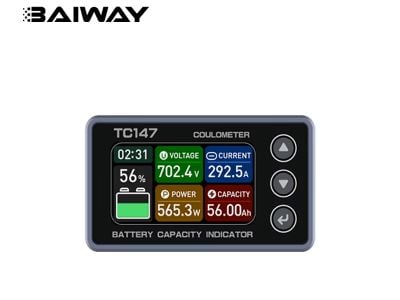
Maximizing asset lifespan through a predictive battery monitor is essential for businesses relying on energy storage systems, electric vehicles, and RVs. By ensuring accurate monitoring of battery parameters like voltage and capacity, companies can proactively address performance issues and extend the operational life of their assets. This article will explore key features, selection criteria, benefits, installation guidance, and bulk order considerations for predictive battery monitors, offering valuable insights for purchasing managers and engineers looking to optimize their battery management strategies.
Key Features of Predictive Monitoring
Predictive battery monitoring systems come equipped with several key features that enhance their functionality and accuracy. One of the most important aspects is the ability to measure voltage and capacity in real-time, providing immediate feedback on battery performance. This capability allows users to detect any anomalies or degradation in battery health before they lead to failure, ensuring that assets remain operational. Another notable feature is the low power consumption of these monitors, which is particularly beneficial for applications in electric vehicles and energy storage systems. By minimizing energy draw, these devices help maintain overall efficiency. Furthermore, advanced predictive algorithms analyze historical data to forecast battery life and performance trends, enabling users to plan maintenance schedules effectively. Additionally, many 12v battery monitor display itors offer customizable alerts and notifications, allowing users to set thresholds for battery performance parameters. This proactive approach to monitoring can significantly reduce downtime and maintenance costs, making it a crucial aspect for businesses managing large fleets or extensive energy storage solutions.
How to Choose the Right Predictive Battery Monitor for Your Needs?
Selecting the right predictive battery monitor involves evaluating several critical factors. First and foremost, consider the specific application and the type of batteries being used. For example, lithium-ion batteries may require different monitoring capabilities than lead-acid batteries. Understanding the unique characteristics of your battery type will guide you in choosing a monitor tailored to your needs. Next, assess the technical specifications of potential monitors, such as measurement range, accuracy, and communication protocols. Monitors that offer a broader voltage range and higher accuracy can provide more reliable data, critical for effective battery management. Additionally, compatibility with existing systems and ease of integration should be prioritized. Many businesses benefit from monitors that can seamlessly connect with their current management software or fleet monitoring systems. Customization capabilities are also important. The ability to tailor alerts, monitoring intervals, and data reporting can enhance the effectiveness of the monitoring system. Finally, consult with manufacturers about their support and warranty options. A reliable support structure can mitigate risks associated with system failures.
Benefits of Quality Battery Monitoring
Investing in quality battery monitoring technology offers numerous benefits that directly impact operational efficiency and cost savings. One significant advantage is the reduction in unexpected downtime. By utilizing predictive analytics, businesses can address potential issues before they escalate, ensuring continuous operation of critical equipment. Furthermore, accurate monitoring contributes to better battery lifecycle management. Understanding battery performance trends allows companies to optimize charging cycles, adjust usage patterns, and schedule maintenance more effectively. This not only extends the lifespan of batteries but also enhances overall energy efficiency. Quality battery monitoring systems can also lead to significant cost savings. By minimizing battery replacements and maintenance needs, companies can allocate resources more effectively. Additionally, the data collected through monitoring can inform purchasing decisions, helping businesses choose the right batteries and optimize their inventory management.
Installation Guidance for Predictive Battery Monitoring Systems
Proper installation of predictive battery monitoring systems is crucial for ensuring accurate data collection and optimal performance. Begin by reviewing the manufacturer's installation guidelines and technical documentation to understand the specific requirements for your monitor model. When preparing for installation, assess the physical location where the monitor will be installed. Ensure that it is easily accessible for maintenance and monitoring while being located in an environment that does not expose it to extreme temperatures, moisture, or dust. Proper placement can significantly affect the accuracy of the readings. During installation, pay attention to the 12v battery percentage meter and connections. Ensure that all connections are secure and that the monitor is correctly interfaced with the batteries it is intended to monitor. After installation, conduct thorough testing to verify that the monitor is functioning correctly and providing accurate readings. Regular calibration may also be necessary to maintain accuracy over time.
Bulk Order Considerations for Predictive Battery Monitors and Accessories
When considering bulk orders for predictive battery monitors and their accessories, several factors should be evaluated to ensure a smooth purchasing process. First, determine the quantity required based on your operational needs and future projections. Manufacturers often provide discounts for larger orders, making it a cost-effective option for businesses looking to scale their monitoring solutions. Next, discuss customization options with the supplier. Bulk orders may allow for tailored products that meet specific operational requirements, such as customized firmware or unique alert settings. It's also essential to inquire about lead times, as manufacturing and delivery schedules can vary significantly between suppliers. Additionally, consider the packaging and shipping methods. Ensure that the Battery monitor 48v will be adequately protected during transit to avoid damage. Lastly, discuss quality assurance processes with the manufacturer. Understanding their quality control measures can provide confidence in the product's reliability and performance. By focusing on these considerations, purchasing managers can make informed decisions that align with their operational goals and budget constraints. This strategic approach to procurement will enhance the overall effectiveness of battery monitoring solutions within their organizations.
