

 EN
EN
 AR
AR
 HR
HR
 DA
DA
 NL
NL
 FI
FI
 FR
FR
 DE
DE
 EL
EL
 HI
HI
 IT
IT
 JA
JA
 KO
KO
 NO
NO
 PL
PL
 PT
PT
 RO
RO
 RU
RU
 ES
ES
 SV
SV
 TL
TL
 ID
ID
 SR
SR
 SL
SL
 UK
UK
 VI
VI
 ET
ET
 HU
HU
 MT
MT
 TH
TH
 TR
TR
 FA
FA
 MS
MS
 GA
GA
 BE
BE


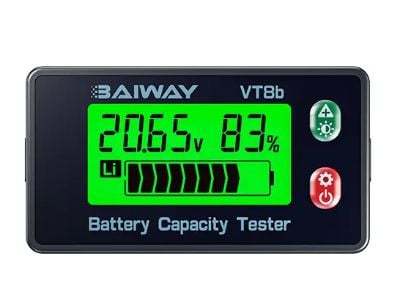
A precision battery capacity meter is an essential tool for ensuring the reliable operation of forklifts and other electric vehicles. It plays a crucial role in preventing catastrophic forklift failures by accurately monitoring battery performance. For B2B buyers, particularly purchasing managers and engineers, understanding the technical specifications and selection criteria of these meters is vital. This article delves into how a precision battery capacity meter can mitigate risks associated with battery failures, while addressing key buyer concerns and providing practical insights for making informed purchasing decisions.
Key Specifications to Consider When Choosing a Battery Capacity Meter
When selecting a precision battery capacity meter, several specifications are critical to ensure compatibility with your forklift and operational needs.
Voltage Range: The meter should accommodate the voltage specifications of your battery system. Mismatched voltage can lead to inaccurate readings or even damage to the meter.
Capacity Measurement Range: Evaluate the amp-hour range the meter can measure. A meter that cannot handle the full capacity of the battery will not provide reliable data, which can lead to premature battery failures.
Accuracy and Resolution: Look for meters with high accuracy ratings, often expressed as a percentage of full-scale output. A resolution that allows for fine monitoring of the battery state is also important, as this can help in identifying gradual declines in performance.
Communication Protocols: Ensure the meter is compatible with your existing systems. Common protocols include CAN bus, RS-485, and UART, which facilitate integration with fleet management systems.
Operating Temperature Range: Forklift operations can expose battery meters to extreme conditions. Choose a meter that can function effectively within the expected temperature range to avoid failure in harsh environments.
By focusing on these specifications, buyers can ensure that they select a Battery capacity meter that meets their operational needs and enhances the reliability of their forklift fleet.
Wholesale Options for High-Quality Battery Monitoring Solutions
For businesses seeking to purchase battery capacity meters in bulk, exploring wholesale options can lead to significant cost savings and better negotiating power. When considering wholesale purchases, pay attention to the following factors:
Minimum Order Quantities (MOQ): Suppliers often have MOQs that can impact your purchasing strategy. Confirm these quantities and assess if they align with your operational needs.
Customization Capabilities: Depending on your application, you may require customized meters. Discuss with suppliers about their ability to provide tailored solutions, including modifications to size, interface, or additional features.
Packaging and Shipping: Evaluate the supplier's packaging methods, especially if you are purchasing large quantities. Proper packaging is essential to prevent damage during transport, which can lead to additional costs.
Lead Time: Understand the lead time for bulk orders, as this can vary significantly between suppliers. Factor this into your planning to avoid delays in deployment.
Quality Assurance: Ensure that the supplier has robust quality control processes in place. This can include certifications, testing procedures, and warranties that support the reliability of the meters.
By leveraging wholesale options, companies can not only save on costs but also ensure they have access to high-quality battery capacity meter 12v monitoring solutions tailored to their specific needs.
Common Forklift Problems Resolved by Advanced Battery Monitoring
Advanced battery monitoring technology addresses several common issues faced by forklift operators, significantly reducing the likelihood of catastrophic failures:
Battery Over-discharge: A precision battery capacity meter helps prevent over-discharge, which can lead to irreversible damage to the battery. By accurately monitoring the battery state, operators can recharge batteries before they reach critical levels.
Performance Degradation: Regular monitoring allows for the early identification of performance degradation, enabling timely maintenance or replacement. This proactive approach minimizes unexpected downtime and extends the lifespan of the fleet.
Temperature Management: Many battery meters now include temperature sensors, which can alert operators to overheating conditions. This feature is crucial as elevated temperatures can accelerate battery wear and increase the risk of failure.
State of Charge (SOC) Monitoring: Accurate SOC readings provided by precision meters help operators make informed decisions about charging schedules, optimizing battery usage and enhancing operational efficiency.
Addressing these issues through advanced lithium battery capacity meter monitoring not only improves the reliability of forklifts but also enhances overall operational efficiency, making it a crucial investment for any business relying on electric vehicles.
Cost Factors in Purchasing Precision Battery Capacity Meters in Bulk
The cost of precision battery capacity meters can vary widely based on several factors, which buyers should consider when planning their purchases:
Specifications and Features: Meters with advanced features such as Bluetooth connectivity, temperature sensors, or high-resolution displays typically command higher prices. Buyers should balance these features against their specific needs to make cost-effective decisions.
Quantity Discounts: Many suppliers offer tiered pricing based on the quantity purchased. Understanding the pricing structure can aid in maximizing budget efficiency when buying in bulk.
Customization Costs: If customized meters are required, be aware that this can significantly increase the cost. Discussing customization options early in the purchasing process can help avoid unexpected expenses.
Shipping and Handling: Bulk orders can incur substantial shipping costs, especially if they require special handling. Consider these costs in the overall budget to accurately forecast total expenses.
Maintenance and Support: Factor in long-term costs associated with maintenance and support. Reliable suppliers often provide warranties, which can mitigate future costs associated with repairs or replacements.
By understanding these cost factors, buyers can develop a comprehensive purchasing strategy that aligns with their budget and operational goals.
Trustworthy Sources for Battery Monitoring Technology
Securing high-quality battery monitoring technology requires identifying trustworthy suppliers. Here are key considerations to evaluate potential sources:
Reputation and Experience: Look for manufacturers with a proven track record in battery monitoring technology. Companies like Shanghai Baiway Electronics, known for their expertise in battery monitoring solutions, can offer assurance of quality and reliability.
Certifications: Verify any industry certifications that validate the manufacturer’s commitment to quality standards. Certifications can indicate compliance with safety and performance benchmarks.
Customer Reviews and Case Studies: Investigate customer feedback and case studies that demonstrate the effectiveness of the battery capacity meters in real-world applications. This can provide insights into the product's performance and reliability.
Technical Support and Resources: A supplier that offers comprehensive technical support, including installation guidance and troubleshooting resources, can enhance your purchasing experience and ensure successful implementation.
Long-term Relationships: Establishing long-term relationships with suppliers can lead to better pricing, consistent quality, and more reliable support. Consider suppliers that prioritize customer service and partnership.
By focusing on these elements, buyers can navigate the landscape of battery monitoring technology effectively, ensuring that they choose a supplier that meets their operational needs and fosters long-term success.
Table of Contents
- Key Specifications to Consider When Choosing a Battery Capacity Meter
- Wholesale Options for High-Quality Battery Monitoring Solutions
- Common Forklift Problems Resolved by Advanced Battery Monitoring
- Cost Factors in Purchasing Precision Battery Capacity Meters in Bulk
- Trustworthy Sources for Battery Monitoring Technology
