

 EN
EN
 AR
AR
 HR
HR
 DA
DA
 NL
NL
 FI
FI
 FR
FR
 DE
DE
 EL
EL
 HI
HI
 IT
IT
 JA
JA
 KO
KO
 NO
NO
 PL
PL
 PT
PT
 RO
RO
 RU
RU
 ES
ES
 SV
SV
 TL
TL
 ID
ID
 SR
SR
 SL
SL
 UK
UK
 VI
VI
 ET
ET
 HU
HU
 MT
MT
 TH
TH
 TR
TR
 FA
FA
 MS
MS
 GA
GA
 BE
BE


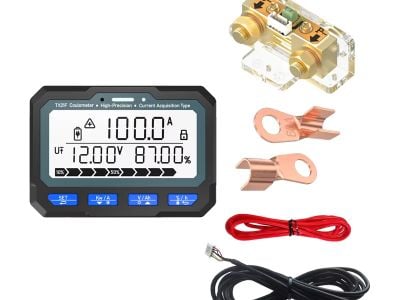
Navigating the complexities of sourcing a reliable battery indicator can be daunting for B2B buyers, particularly in the manufacturing and industrial sectors. Battery indicators play a crucial role in monitoring the performance and status of batteries used in electric vehicles, RVs, and energy storage systems. Concerns regarding accuracy, reliability, and supplier trustworthiness often weigh heavily on purchasing managers and engineers. This article aims to guide you through essential considerations for navigating quality traps when sourcing battery monitoring solutions.
Navigating Supplier Reliability When Choosing Battery Indicators
The reliability of your battery indicator supplier is paramount. A trustworthy supplier not only ensures the quality of the products but also plays a critical role in your supply chain's efficiency. When evaluating potential suppliers, consider their manufacturing capabilities, quality control processes, and experience in the industry. Look for suppliers who have a proven track record in delivering high-quality battery monitoring solutions.
Additionally, inquire about their certifications and compliance with industry standards. This can include certifications related to ISO quality management or specific technical standards for Battery indicator level monitoring equipment. A supplier with robust quality assurance processes in place will likely have fewer defects and better overall product performance. It's also wise to evaluate their customer service and support capabilities. Quick response times and knowledgeable staff can make a difference when you need assistance or have questions about your order.
Key Specifications to Consider for Battery Monitoring Solutions
When selecting battery monitoring solutions, certain specifications are critical for ensuring optimal performance. Here are some key specifications you should consider:
Voltage and Capacity Measurement: Ensure the battery indicator accurately measures the voltage and capacity of the batteries it will monitor. This is essential for maintaining battery health and preventing unexpected failures.
Low Power Consumption: Especially for applications involving electric vehicles and RVs, a battery indicator that consumes minimal power is vital to extending battery life and enhancing overall efficiency.
Environmental Resistance: Depending on the application, consider the environmental conditions the battery indicator will face. Factors such as temperature extremes, humidity, and exposure to chemicals can affect performance. Choose indicators designed to withstand these conditions.
Customization Options: Depending on your specific requirements, you may need customized battery indicators. Ensure your supplier can accommodate modifications to suit your application needs.
Understanding these specifications will help you make informed decisions that align with your operational requirements and ensure the longevity and reliability of your battery systems.
Where to Find Wholesale Battery Indicators for Bulk Orders?
Finding reliable wholesale suppliers for battery indicators can significantly impact your project's cost-effectiveness. Start by researching manufacturers known for their expertise in battery monitoring technology. Trade shows and industry exhibitions are excellent venues for meeting suppliers and reviewing their products firsthand.
Online B2B marketplaces can also provide access to a wide range of suppliers. However, it's crucial to conduct thorough background checks on these suppliers, focusing on their customer reviews, product quality, and service reputation.
Consider reaching out to existing contacts within your industry or joining professional networks to gain recommendations for reputable suppliers. Building relationships with suppliers who demonstrate reliability and quality can lead to better pricing and service in the long run.
Comparing Battery Indicator Solutions for Your Project Needs
When comparing battery indicator solutions, focus on how each option aligns with your specific project requirements. Create a comparison chart that includes critical specifications, pricing, lead times, and customization capabilities. Here are some factors to consider:
Cost: While price is a significant factor, it shouldn’t be the sole determinant. Consider the total cost of ownership, which includes installation, maintenance, and potential downtime associated with inferior products.
Lead Time: If your project has tight deadlines, ensure that the supplier can meet your required lead times. Delays in delivery can impact your project schedule and overall costs.
Technical Support and Warranty: Assess the level of technical support provided by the supplier. A strong warranty can provide peace of mind in case of defects or performance issues.
By carefully comparing these aspects, you can select the battery indicator 12v solution that best fits your project’s needs and budgetary constraints.
Expert Tips for Sourcing Reliable Battery Indicator Suppliers
Sourcing reliable battery indicator suppliers requires a strategic approach. Here are some expert tips to help you in your search:
Request Samples: Before placing large orders, always request samples. Testing samples under real operational conditions can help you evaluate performance and reliability.
Quality Control Checks: Understand the supplier's quality control processes. Ask about their inspection protocols and how they handle defects or returns.
Establish Communication: Open lines of communication with potential suppliers. Discuss your specific requirements and ask questions about their products and services. A responsive supplier is often indicative of good customer service.
Visit Manufacturing Facilities: If possible, visit the supplier's manufacturing facilities. This can give you insight into their production processes, equipment, and overall operations.
Check References: Request references from other customers who have purchased similar products. This can provide you with insights into the supplier’s reliability and product performance.
By following these tips, you can enhance your chances of finding a reliable supplier that meets your needs for high-quality battery monitoring solutions.
By understanding the challenges and considerations involved in sourcing battery indicators, B2B buyers can navigate quality traps and make informed decisions. With the right knowledge and approach, you can ensure that your Digital battery indicator solutions are both reliable and effective, ultimately supporting your operational goals.
Table of Contents
- Navigating Supplier Reliability When Choosing Battery Indicators
- Key Specifications to Consider for Battery Monitoring Solutions
- Where to Find Wholesale Battery Indicators for Bulk Orders?
- Comparing Battery Indicator Solutions for Your Project Needs
- Expert Tips for Sourcing Reliable Battery Indicator Suppliers
