

 EN
 AR
 HR
 DA
 NL
 FI
 FR
 DE
 EL
 HI
 IT
 JA
 KO
 NO
 PL
 PT
 RO
 RU
 ES
 SV
 TL
 ID
 SR
 SL
 UK
 VI
 ET
 HU
 MT
 TH
 TR
 FA
 MS
 GA
 BE


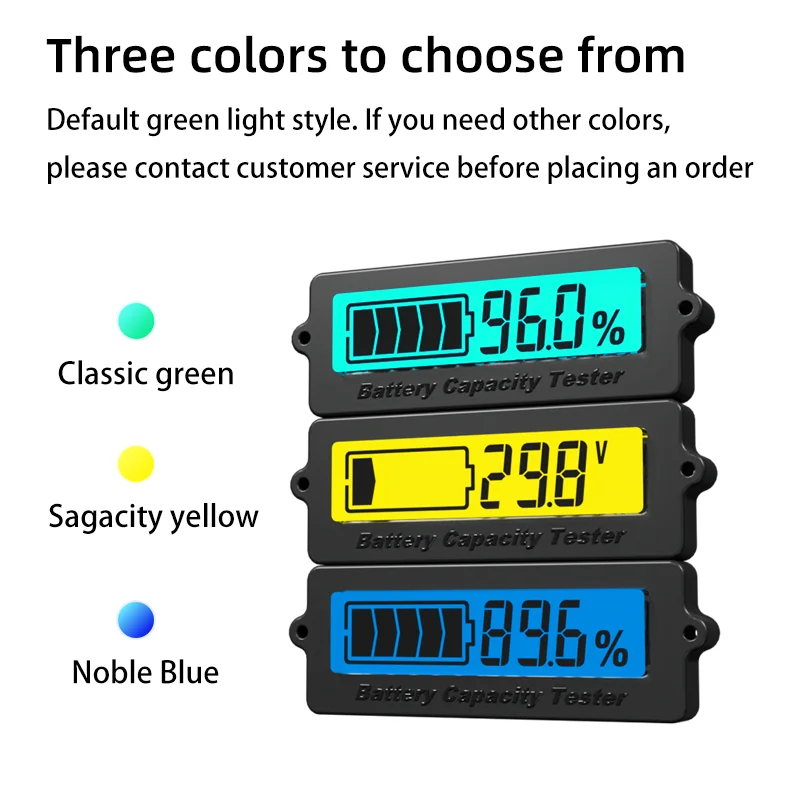
Understanding battery monitoring is crucial for energy storage operators, particularly when considering the limitations of voltage-based monitors. These devices can often mislead operators regarding battery health and performance. This article will explore why voltage-based monitors may not provide an accurate representation of battery status and will introduce more reliable alternatives that enhance energy management. We’ll address key concerns for B2B buyers, such as product selection, specifications, supplier evaluation, and the benefits of upgrading to advanced monitoring technologies.
Where to Source Quality Battery Monitors for Effective Energy Management
Sourcing high-quality battery monitors begins with identifying reputable manufacturers known for their expertise in battery monitoring technology. Look for companies that specialize in producing customized solutions, as these often provide better compatibility with your specific energy storage systems. Key factors to consider include:
Industry Experience: Choose suppliers with a solid track record in manufacturing battery monitors meter for various applications, such as electric vehicles, RVs, and commercial energy storage systems.
Product Range: A manufacturer that offers a wide range of products, including both standard and custom solutions, can better meet your unique requirements.
Certifications: Check for compliance with industry standards, such as ISO certifications, which can indicate a commitment to quality and reliability.
Customer Reviews and Case Studies: Explore testimonials and case studies that demonstrate the effectiveness of the products in real-world applications.
Shanghai Baiway Electronics, for example, provides a comprehensive selection of battery monitoring solutions that cater to diverse applications, ensuring accuracy and reliability.
Key Specifications to Consider
When evaluating battery monitors, several key specifications can significantly impact performance and reliability:
Accuracy: Look for monitors with high accuracy ratings, as even minor discrepancies can lead to incorrect assessments of battery health.
Measurement Parameters: Ensure the monitor measures not just voltage, but also other critical parameters like current, temperature, and capacity. This holistic approach provides a more comprehensive view of battery performance.
Communication Protocols: Check if the device supports commonly used communication protocols (e. g., CAN, Modbus) for compatibility with existing systems.
Power Consumption: Low power consumption is essential, especially for applications where monitors are deployed in remote locations or where energy efficiency is a priority.
Customization Options: The ability to customize features or specifications could be crucial for meeting specific operational needs.
By focusing on these specifications, buyers can ensure that their chosen battery monitoring solution delivers accurate and reliable data for effective energy management.
Common Problems with Voltage Monitoring and Their Reliable Solutions
Voltage monitoring, while a common practice, often leads to misinterpretations of battery health. Some prevalent issues include:
Voltage Fluctuations: Voltage can vary due to temperature changes or load conditions, which may misrepresent the battery's state of charge (SOC). Using a car voltage monitor that assesses other parameters, such as current and temperature, can provide a more accurate SOC.
Inability to Detect Failures: Voltage monitors may fail to detect internal battery issues, such as cell imbalances or degradation, until it is too late. Advanced battery monitoring systems that include coulomb counting or impedance measurement can identify these issues early on.
Limited Data Insights: Voltage readings alone do not provide insights into battery health or remaining useful life. Employing a comprehensive monitoring solution enhances predictive maintenance efforts and operational efficiency.
To address these challenges, operators should consider upgrading to advanced battery monitors that provide a more detailed analysis of battery performance, ensuring reliability and longevity.
What to Look for in a Supplier of Battery Monitoring Equipment
Selecting the right supplier for battery monitoring equipment is critical for ensuring the long-term success of your energy storage operations. Consider the following aspects when evaluating potential suppliers:
Technical Support: A reliable supplier should offer robust technical support, including assistance with installation, calibration, and troubleshooting. This can be invaluable in minimizing downtime.
Warranty and After-Sales Service: Check the warranty terms and after-sales service options provided by the supplier. A solid warranty can provide peace of mind regarding product quality and longevity.
Customization Capabilities: Ensure that the supplier can accommodate specific customization requests that align with your operational requirements.
Lead Times and Availability: Inquire about production lead times, especially if your project has strict deadlines. A supplier with efficient production capabilities can ensure timely delivery.
Reputation and Reliability: Research the supplier's reputation in the industry, looking for reviews and feedback from other businesses that have utilized their products.
By thoroughly evaluating these criteria, you can select a supplier that aligns with your operational needs and quality expectations.
Benefits of Upgrading from Voltage Monitors to Advanced Solutions
Transitioning from basic voltage monitors to advanced battery monitoring solutions presents numerous advantages for energy storage operators:
Enhanced Accuracy: Advanced systems typically combine voltage, current, and temperature measurements, offering a more accurate assessment of battery health.
Data-Driven Insights: These 12v voltage monitor can provide detailed analytics and reporting, enabling operators to make informed decisions about maintenance and replacement strategies.
Improved Safety and Reliability: By identifying potential issues early, advanced battery monitors help prevent failures that could lead to safety hazards or costly downtimes.
Longer Battery Life: More accurate monitoring allows for better battery management, which can extend the lifespan of batteries by optimizing charging and discharging cycles.
Cost-Efficiency: Although the initial investment in advanced monitoring solutions may be higher, the long-term savings from improved efficiency and reduced maintenance costs can be substantial.
Investing in advanced battery monitoring solutions can ultimately lead to enhanced operational efficiency and reliability, providing a strong return on investment for energy storage operators.
By understanding the limitations of voltage-based monitors and exploring advanced alternatives, energy storage operators can make informed decisions that enhance their systems' performance and longevity.
Table of Contents
- Where to Source Quality Battery Monitors for Effective Energy Management
- Key Specifications to Consider
- Common Problems with Voltage Monitoring and Their Reliable Solutions
- What to Look for in a Supplier of Battery Monitoring Equipment
- Benefits of Upgrading from Voltage Monitors to Advanced Solutions
