

 EN
EN
 AR
AR
 HR
HR
 DA
DA
 NL
NL
 FI
FI
 FR
FR
 DE
DE
 EL
EL
 HI
HI
 IT
IT
 JA
JA
 KO
KO
 NO
NO
 PL
PL
 PT
PT
 RO
RO
 RU
RU
 ES
ES
 SV
SV
 TL
TL
 ID
ID
 SR
SR
 SL
SL
 UK
UK
 VI
VI
 ET
ET
 HU
HU
 MT
MT
 TH
TH
 TR
TR
 FA
FA
 MS
MS
 GA
GA
 BE
BE


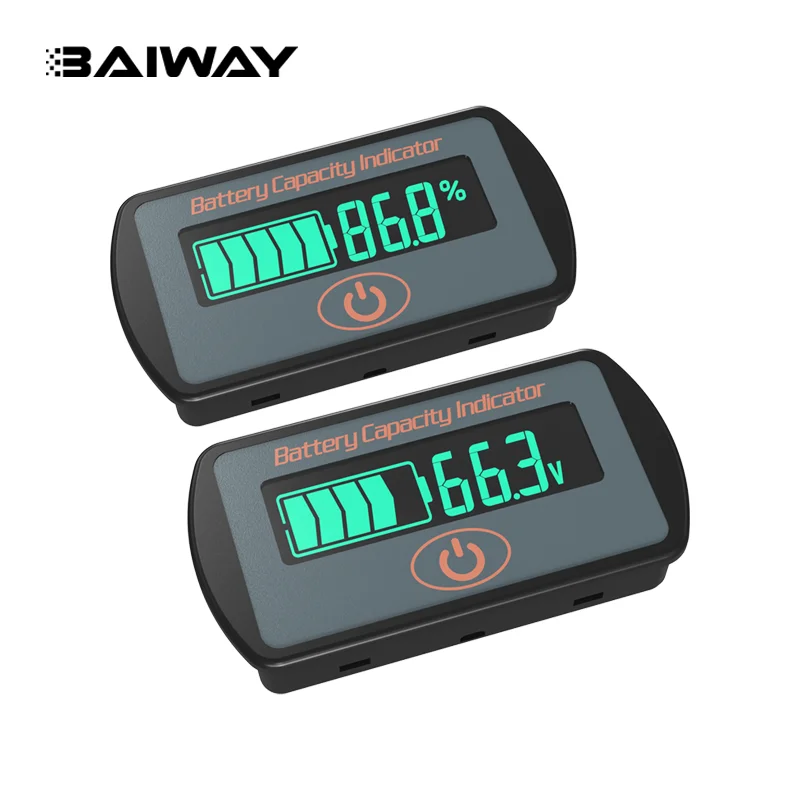
Preventing costly over-discharge with a smart battery charge indicator is essential for optimizing battery performance and longevity. For B2B buyers in industries such as electric vehicles, RVs, and energy storage systems, understanding the right battery monitoring solutions is crucial to avoid potential operational losses. This article aims to provide valuable insights into the specifications, selection process, installation, common issues, and cost considerations associated with smart Battery indicator level, helping buyers make informed purchasing decisions.
Key Specifications for Smart Battery Charge Indicators Explained
Smart battery charge indicators come with several key specifications that directly impact their performance and suitability for different applications.
Voltage Range: This indicates the range of battery voltages that the indicator can accurately monitor. Selecting an indicator with an appropriate voltage range is crucial; an unsuitable range can lead to inaccurate readings, which may result in either battery over-discharge or under-utilization.
Measurement Accuracy: This parameter defines how closely the indicator's readings align with the actual battery status. High accuracy is essential to ensure reliable performance, especially in critical applications where battery performance is directly tied to operational efficiency.
Current Consumption: Low power consumption is vital for battery-operated devices, as high current draw can lead to faster depletion of battery life. Opt for indicators designed with low power requirements to enhance overall system efficiency.
Display Type: Indicators can vary from simple LED indicators to advanced LCD displays that provide detailed information. The choice of display can impact usability and the ability to easily interpret battery status.
Communication Protocols: Many smart battery indicators support various communication protocols such as CAN, RS-485, or Modbus for integration into larger systems. Understanding the required communication standards for your application is critical for seamless integration.
Understanding these specifications helps buyers select the right smart battery charge indicator that meets their unique operational needs.
How to Choose the Right Battery Monitoring Solution for Your Needs?
Choosing the right battery monitoring solution involves several considerations that relate directly to your specific application and operational environment.
Application Requirements: Identify the specific application where the battery charge indicator will be used. For electric vehicles, for example, a robust indicator that withstands vibrations and harsh conditions is essential. In contrast, for stationary energy storage systems, a more straightforward solution may suffice.
Customization Needs: Consider whether standard models meet your requirements or if you need a customized solution. Shanghai Baiway Electronics, for instance, offers both standard and tailored solutions, allowing for adjustments in measurement range, display options, and communication protocols.
Compatibility: Ensure that the chosen indicator is compatible with your existing systems. This includes checking voltage and current specifications, as well as ensuring it can communicate effectively with other components in your system.
Reliability and Durability: Evaluate the product's reliability based on its design and the materials used. Indicators that are resistant to moisture, temperature fluctuations, and physical impact will provide better long-term performance.
Cost vs. Benefit: Analyze the total cost of ownership, including purchase price, installation expenses, and potential savings from preventing battery over-discharge. A slightly higher upfront investment in a reliable indicator can translate to significant long-term savings.
By carefully evaluating these factors, buyers can select a battery monitoring solution that aligns with their operational needs and budget constraints.
Installation Guidance for Smart Battery Charge Indicators in Projects
Installing smart battery charge indicators requires careful planning to ensure optimal performance and reliability. Here are some key steps and considerations:
Site Assessment: Before installation, conduct a thorough assessment of the installation site. This includes evaluating environmental conditions like temperature, humidity, and potential exposure to physical hazards.
Wiring and Connections: Follow manufacturer guidelines for wiring to ensure correct connections to the battery and other system components. Using the right gauge wire is essential to prevent voltage drops or overheating.
Mounting Location: Select a mounting location that is easily accessible for maintenance and monitoring, while also protecting the indicator from direct exposure to moisture and dust. Ensure the display is positioned for easy visibility.
Calibration: After installation, calibrate the smart battery charge indicator to ensure accurate readings. This involves setting the voltage range and verifying that the device accurately reflects the battery's state of charge.
Testing: Conduct thorough testing after installation to verify that the indicator functions correctly within the system. Check all connections and ensure that the readings align with expected performance.
Proper installation is crucial for maximizing the functionality and longevity of smart Battery health indicator, ensuring that they provide accurate monitoring throughout their lifespan.
Common Problems with Battery Over-Discharge and Their Solutions
Battery over-discharge can lead to severe consequences, including shortened battery life and reduced performance. Here are common problems related to over-discharge and potential solutions:
Loss of Capacity: Over-discharging can cause irreversible capacity loss in batteries. To prevent this, implement a smart battery charge indicator that alerts users when the battery reaches a critical low level.
Increased Heat Generation: Over-discharged batteries can generate excessive heat, leading to potential thermal runaway in lithium-ion batteries. Regular monitoring using a charge indicator can help identify overheating issues early.
Battery Damage: Continuous over-discharge can lead to physical damage, such as swelling or leakage. To mitigate this risk, use indicators that provide real-time alerts and connect to a battery management system that can cut off power when levels drop too low.
System Downtime: Over-discharged batteries can lead to unexpected system failures, resulting in costly downtime. Implementing reliable monitoring solutions ensures that maintenance teams are alerted to low battery levels before they impact operations.
By addressing these issues proactively with effective battery monitoring solutions, businesses can enhance the reliability and efficiency of their battery systems.
Cost Factors to Consider When Purchasing Battery Charge Indicators
When evaluating the cost of battery charge indicators, several factors come into play that can influence overall expenditure:
Initial Purchase Price: This is often the most visible cost but should be weighed against the potential long-term benefits of investing in a high-quality indicator. Cheaper models may save upfront costs but can lead to increased expenses due to poor performance or reliability.
Customization Options: Custom features, such as specific display types or communication protocols, can add to the cost. It is essential to assess whether these customizations are necessary for your application.
Installation Costs: Factor in the costs associated with installation, including labor and any additional materials required. Proper installation is critical for the effective functioning of the charge indicator.
Maintenance and Support: Consider ongoing maintenance costs and the availability of technical support from the manufacturer. A manufacturer like Shanghai Baiway Electronics with a reputation for customer service may provide added value through responsive support.
Potential Savings: Evaluate the potential savings from preventing battery over-discharge, which can lead to extended battery life and reduced replacement costs. A higher quality 12v battery level indicator
can often pay for itself through these savings.
By carefully considering these cost factors, buyers can make informed decisions that align with their budgetary constraints while ensuring the reliability of their battery systems.
Table of Contents
- Key Specifications for Smart Battery Charge Indicators Explained
- How to Choose the Right Battery Monitoring Solution for Your Needs?
- Installation Guidance for Smart Battery Charge Indicators in Projects
- Common Problems with Battery Over-Discharge and Their Solutions
- Cost Factors to Consider When Purchasing Battery Charge Indicators
